


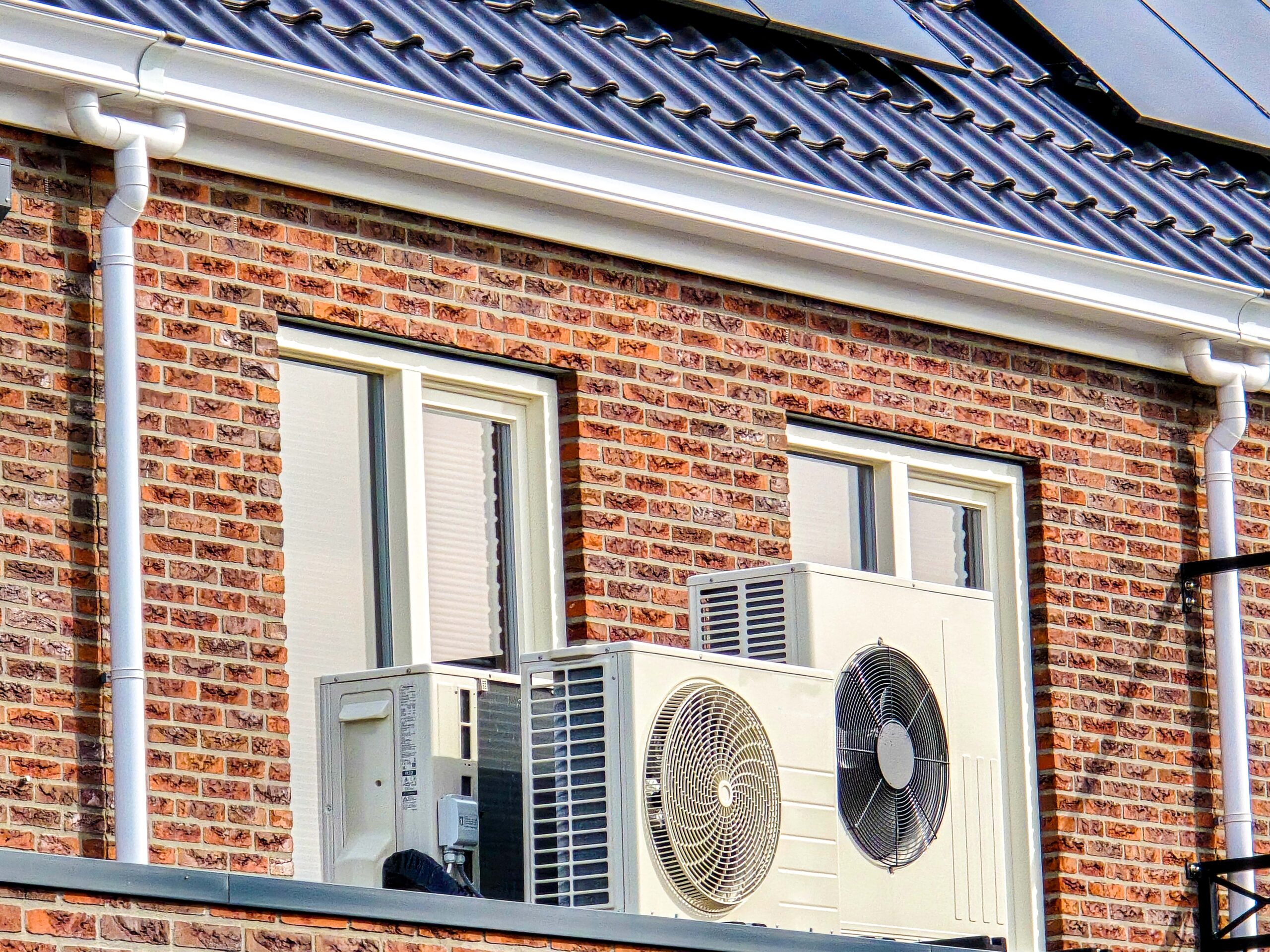
Heat pumps are becoming an increasingly popular alternative to gas boilers in the UK, but not every home is ready for a full low-temperature system. That’s where high-temperature heat pumps come in.
Designed to work more like a traditional boiler, high-temperature heat pumps promise higher water temperatures and fewer changes to your existing heating setup. For many homeowners, that sounds ideal, but the big question is whether they’re actually worth it.
At Bolton Electrical Services, we help homeowners and organisations across Bolton and the North West understand which renewable heating options genuinely suit their property. In this guide, we break down how high-temperature heat pumps work, where they make sense, and when a standard heat pump may still be the better choice.
Quick Summary
- What are they?
High-temperature heat pumps deliver hotter water than standard systems, making them closer to a like-for-like replacement for gas boilers. - Are they worth it?
They can be, especially for older homes where upgrading radiators or pipework isn’t practical. They’re less efficient than standard heat pumps, but more flexible. - Are they expensive?
Upfront costs are usually higher than standard heat pumps, and running costs can be slightly more, depending on how well the home is insulated. - Who are they best for?
Homes with existing radiator systems, limited scope for upgrades, or owners who want minimal disruption during installation.
Our view
High-temperature heat pumps make sense in the right setting, but they’re not the best option for every property. Proper assessment is key.
What is a high-temperature heat pump?
A high-temperature heat pump is a type of air source heat pump designed to deliver hotter water than standard systems. While most modern heat pumps operate best at lower temperatures, high-temperature models are built to reach levels closer to what a traditional gas boiler provides. This makes them an attractive option for homeowners who want to move away from gas but are concerned about making major changes to their existing heating system.
How high-temperature heat pumps differ from standard heat pumps
The key difference is the temperature of the water they produce. A standard air source heat pump typically runs at around 35 to 55 degrees, whereas a high-temperature heat pump can deliver water at around 65 to 75 degrees. That higher temperature means they behave more like a conventional boiler. Radiators heat up quicker, and hot water feels familiar rather than lukewarm. For homes with older radiators or traditional pipework, this can reduce the need for upgrades. The trade-off is efficiency. Producing hotter water requires more electricity, which is why system design matters so much.
Why they’re gaining attention in the uk
Much of UK housing was built long before heat pumps were common. Many homes still rely on older radiators and layouts designed around boilers. High-temperature heat pumps offer a way to replace a boiler without completely redesigning the heating system. For homeowners who want a lower-disruption switch to renewable heating, they can feel like a safer step. They are also appealing to people who want familiar heating performance while still reducing carbon emissions.
How do high-temperature heat pumps work?
At their core, high-temperature heat pumps work in the same way as standard air source systems. The difference lies in how they boost the temperature before sending heat into your home.
The technology behind higher temperatures
Like all heat pumps, they extract heat from the outside air and compress it to raise the temperature. High-temperature systems use advanced refrigerants and, in some cases, two-stage compression to push that heat further. This additional compression is what allows them to reach higher output temperatures. It is also why they use more electricity than low-temperature systems. The technology is proven and reliable, but it needs to be specified correctly to avoid unnecessary running costs.
How they integrate with existing heating systems
High-temperature heat pumps are generally compatible with traditional radiators and standard hot water cylinders. This is one of their biggest selling points. That said, they are not always a straight swap. Some homes still benefit from minor radiator upgrades, improved controls, or a modern cylinder designed to work efficiently with heat pumps. A proper assessment ensures the system works smoothly rather than forcing the heat pump to work harder than it should.
How efficient are high-temperature heat pumps?
Efficiency is where high-temperature heat pumps need to be looked at realistically rather than optimistically.
Efficiency compared to standard heat pumps
High-temperature systems are less efficient than standard low-temperature heat pumps. This is because efficiency drops as output temperature rises. While a standard heat pump may deliver three to four units of heat for every unit of electricity used, a high-temperature system typically delivers slightly less. That does not mean they are inefficient overall. It simply means expectations need to be set correctly, especially in comparison to low-temperature designs.
Running costs in UK properties
Running costs depend heavily on insulation, controls, and how the system is used. In a well-insulated home with good heating controls, a high-temperature heat pump can still offer lower and more stable running costs than gas. Electricity tariffs also play a role. Off-peak tariffs and pairing the system with solar panels can significantly reduce costs. Poor insulation or incorrect sizing will always lead to higher bills, regardless of the technology used.
Pros and cons of high-temperature heat pumps
Like any heating system, high-temperature heat pumps are not a one-size-fits-all solution.
Advantages
- One of the biggest benefits is reduced disruption. Many homes can keep their existing radiators and heating layout, which makes installation simpler.
- They also deliver higher water temperatures, which feels familiar to anyone switching from a boiler. This can improve comfort and confidence in the system.
- For certain older homes, they offer a practical route into renewable heating where standard systems would struggle.
Disadvantages
- High-temperature heat pumps usually cost more to buy and install than standard models. They also cost more to run if the system is not designed carefully.
- Efficiency is lower than low-temperature systems, especially if insulation is poor. When poorly specified, they can underperform and disappoint.
High-temperature heat pump costs in the uk
Costs vary widely depending on the property, system size, and existing heating setup.
Typical installation costs
- The cost includes more than just the heat pump unit. Pipework, controls, hot water cylinders, and installation all contribute to the final figure.
- Larger properties and higher heat demand increase costs, as does retrofitting into older homes.
- A site survey is essential to avoid under or overspending.
Grants and financial support
- High-temperature heat pumps can qualify for the Boiler Upgrade Scheme, which currently offers a grant towards installation costs.
- Eligibility depends on the system design and property type. When applicable, the grant can make a significant difference to upfront cost and payback time.
Which high-temperature heat pumps are available?
Several manufacturers offer high-temperature models designed for UK homes and commercial buildings.
Leading manufacturers in the uk market
Most major heat pump brands now offer high-temperature options alongside their standard ranges. Some systems are designed as standalone units, while others are hybrid-ready for integration with existing boilers. The right choice depends on performance, support, and suitability rather than brand name alone.
Choosing the right system for your property
- The most important factor is matching the heat pump to your property’s heat loss. Oversizing or undersizing leads to poor performance and higher costs.
- A professional design process looks at insulation, radiator output, hot water demand, and future energy plans.
- The best system is the one designed specifically for your home, not the one with the highest temperature rating.
Should you install a high-temperature heat pump?
The answer depends on your property, priorities, and long-term plans.
When a high-temperature heat pump makes sense
- They work well in older homes where upgrading radiators or pipework is difficult or undesirable.
- They also suit homeowners who want minimal disruption and a familiar heating experience.
- Some commercial and public sector buildings also benefit from higher flow temperatures.
When a standard heat pump is the better choice
- In well-insulated homes, standard heat pumps usually offer better efficiency and lower running costs.
- If insulation improvements are planned, a low-temperature system often delivers better long-term value.
- Future-proofing tends to favour standard systems where possible.
Frequently Asked Questions
What is a high-temperature heat pump?
It is an air source heat pump designed to deliver higher water temperatures, closer to those produced by gas boilers.
Are high-temperature heat pumps less efficient?
Yes. They are generally less efficient than standard heat pumps, but still far more efficient than traditional boilers.
Do high-temperature heat pumps work with existing radiators?
In many cases, yes. This is one of their main advantages.
Are they more expensive to run than standard heat pumps?
They can be, especially if the home is poorly insulated or the system is not designed correctly.
Can you get a grant for a high-temperature heat pump?
Some systems qualify for the Boiler Upgrade Scheme, depending on the installation.
Is a high-temperature heat pump worth it in the UK?
They can be, but only when matched to the right property and expectations.
What’s the difference between high- and low-temperature heat pumps?
High-temperature systems produce hotter water with lower efficiency. Low-temperature systems are more efficient but rely on better insulation and heat distribution.


